
Championship Promotion and Relegation Betting: Navigating the Long Game
 Available in US
The Championship's twin dramas of promotion and relegation provide betting opportunities that extend throughout the entire season rather than resolving in ninety minutes. These long-term markets require different analytical approaches than match betting, demanding patience, capital management, and willingness to reassess positions as campaigns evolve. For bettors comfortable locking funds into positions for months, these markets offer unique value that shorter-term betting cannot replicate.
Outright markets open before seasons begin, with pre-season odds reflecting expectations based on squad strength, managerial appointments, and previous performance. However, the Championship's unpredictability means pre-season favourites frequently disappoint while unfancied sides mount unexpected challenges. Understanding what drives these surprises helps identify value both before and during campaigns.
The Promotion Market Structure
Three teams escape the Championship each season, but the paths differ substantially. The top two earn automatic promotion and begin Premier League preparations immediately after the final whistle. Positions three through six enter the playoff competition, a three-week knock-out tournament that produces football's richest match in the Wembley final. These distinct pathways create different risk-reward profiles for bettors.
Title betting offers the purest form of promotion market engagement. Only one team can win the championship, making this a high-risk, high-reward proposition. Historical title odds for eventual winners ranged from 8/1 pre-season outsiders to odds-on favourites, demonstrating the unpredictability that characterises Championship title races.
Top-two finish betting provides slightly higher probability than title betting while still offering attractive odds. The distinction matters because teams can earn automatic promotion without winning the division. In some seasons, both automatic promotion spots go to pre-season favourites; in others, one or both positions go to unexpected contenders.
Top-six finish betting encompasses playoff qualification and represents the widest net for promotion market participation. With six of twenty-four teams qualifying, roughly 25% of the division earns playoff positions. Odds reflect this higher probability accordingly, though value still exists when markets underestimate specific teams' chances.
Analysing Promotion Candidates
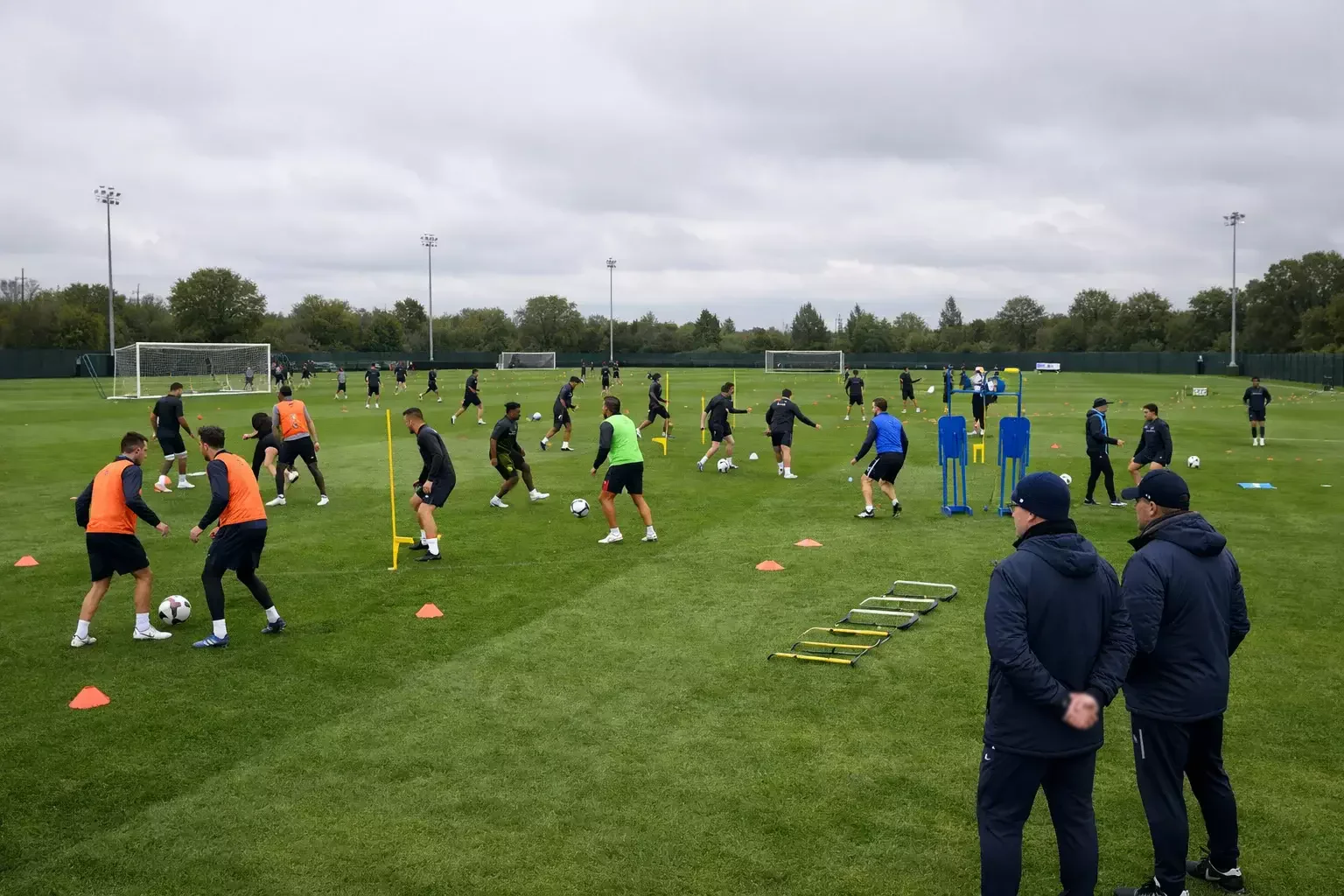
Squad depth matters enormously across forty-six league matches plus potential cup runs. Teams relying heavily on small groups of key players face significant risk when injuries or suspensions strike. Analysing squad construction reveals which clubs can sustain challenges through the inevitable personnel absences that affect every Championship campaign.
Financial resources influence both squad quality and operational stability. Parachute payments give recently relegated Premier League clubs significant advantages, allowing them to maintain higher wage bills than established Championship sides. However, money alone doesn't guarantee success — adaptation to second-tier football requires more than simply outspending rivals.
Managerial experience in the Championship carries particular weight. Managers who've previously navigated the division understand its unique demands: the physical intensity, the fixture congestion, the psychological challenges of a forty-six match slog. First-time Championship managers, however talented, sometimes struggle with aspects that experienced hands manage effectively.
Early-season form provides valuable updating information but requires careful interpretation. Fast starters don't always maintain pace, while slow starters can gather momentum that carries them into contention. Historical patterns suggest patience before making strong conclusions about promotion prospects — the table rarely crystallises before November.
Relegation Market Dynamics
Three teams drop to League One each season, typically including at least one that began with reasonable expectations. The Championship's intensity means struggling sides face not just quality opposition but psychological burdens that compound difficulties. Identifying which teams will succumb requires understanding both football quality and organisational resilience.
Newly promoted sides historically feature prominently in relegation markets. The step up from League One to Championship proves significant, and not all clubs make the adjustment successfully. However, some promoted sides adapt quickly while established Championship teams regress, so blanket assumptions about promoted clubs carry risk.
Squad turnover creates instability that relegation candidates often display. Teams that lost key players without adequate replacement typically struggle, while those that strengthened appropriately may outperform expectations. Summer transfer windows provide crucial information for relegation assessments.
Managerial instability correlates strongly with relegation. Teams that change managers mid-season face disruption that often accelerates decline rather than arresting it. When clubs dismiss managers early, betting markets sometimes overreact to the change regardless of whether the new appointment actually improves prospects.
The end of the season gets hectic; learn how to handle Championship fixture congestion.
Timing Your Market Entry
Pre-season betting locks in prices before any actual football provides updating information. This timing offers the longest odds but also the greatest uncertainty. Backing pre-season feels more like forecasting than analysis, relying on squad assessments rather than demonstrated performance.
Early-season entry allows some form assessment while prices remain relatively attractive. The first eight to ten matches provide genuine data while leaving sufficient season remaining for positions to change. This compromise between information and odds often proves optimal for many bettors.
Mid-season positions reflect accumulated evidence but correspondingly adjusted prices. Value becomes harder to find because markets have processed the same information you're analysing. However, overreactions to recent results can still create opportunities for those maintaining perspective across the full campaign.
Late-season betting offers near-certainty on some outcomes but minuscule returns. When teams are mathematically safe or doomed, betting them reflects that reality through prices. Occasionally, value exists when mathematical elimination hasn't occurred but markets price outcomes as foregone conclusions.
Managing Long-Term Positions
Capital allocation requires considering opportunity costs. Money committed to outright bets remains unavailable for other opportunities throughout the season. Balancing long-term positions against match-by-match betting capital affects overall portfolio management.
Hedging becomes relevant as seasons progress. If an early promotion bet looks likely to succeed, taking profit through opposing bets locks in returns regardless of final outcomes. The decision to hedge involves comparing guaranteed profit against potential maximum payout, with individual risk tolerance determining optimal approach.
Accumulating positions across multiple entry points spreads timing risk. Rather than committing entirely at one moment, building positions as the season progresses captures different prices and incorporates updating information. This approach reduces variance compared to single large bets.
Reassessing original theses matters when new information contradicts initial analysis. Key injuries, managerial changes, or unexpected form runs should trigger reconsideration of positions rather than stubborn adherence to outdated assessments. Cutting losses or adding to winning positions based on genuine analysis distinguishes successful long-term bettors from those married to initial selections.
Historical Patterns and Their Limits
Championship history provides guidance without guaranteeing repetition. Patterns like parachute clubs dominating promotion or newly promoted sides struggling suggest tendencies rather than certainties. Each season brings unique circumstances that can override historical expectations.
The 2025-26 season exemplifies how prior patterns can mislead. With three relegated Premier League clubs possessing parachute payments alongside ambitious established Championship sides, pre-season favourites faced genuine competition from multiple directions. Market assumptions about financial advantages don't always translate to on-pitch success.
Playoff uncertainty deserves particular attention. Reaching the playoffs guarantees nothing — many regular-season top performers have failed to navigate the knockout phase. Backing a team for promotion includes implicit playoff risk that pure top-two bets avoid. Understanding this additional variance helps assess whether promotion odds offer genuine value.
Late-season collapses and surges appear regularly. Teams comfortable in playoff positions have collapsed under pressure while others rallied from seemingly hopeless positions. This volatility creates both opportunities and risks for long-term bettors as the season's final weeks approach.
Practical Application
Approaching promotion and relegation markets requires patience antithetical to match betting's immediate gratification. Months may pass between placing bets and receiving outcomes, testing emotional discipline throughout. Those comfortable with deferred resolution find these markets rewarding; those needing quick feedback should consider whether long-term betting suits their temperament.
The Championship's promotion and relegation markets offer unique betting opportunities for patient analysts willing to commit capital for extended periods. Success requires understanding not just current form but sustainable quality, squad depth, and organisational stability across demanding campaigns. Those who develop genuine insight into what drives Championship success and failure find value that casual observers consistently miss in English football's most competitive division.
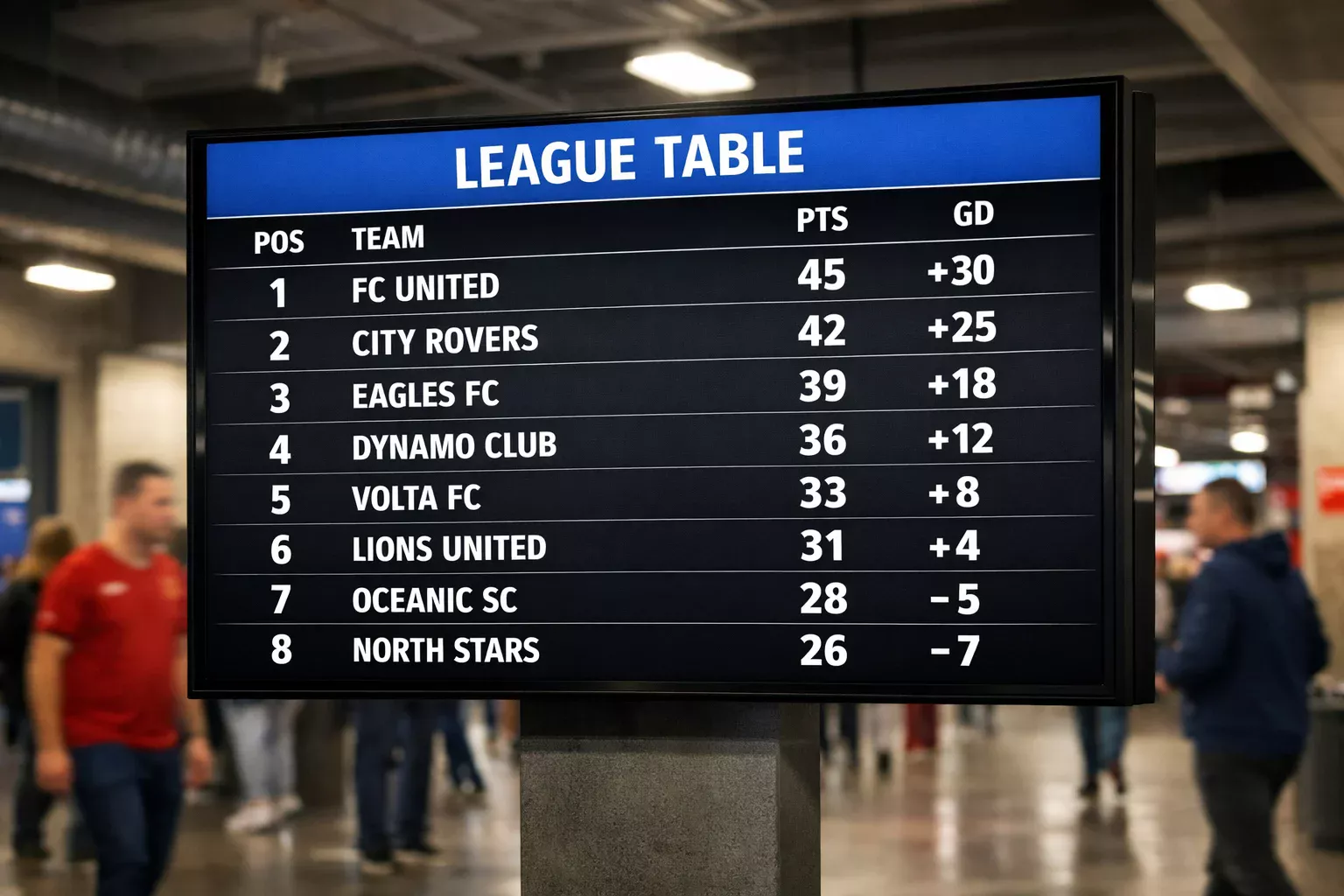
Track the league table on our homepage.
