
Bet Builder Odds Calculation: Understanding How Bookmakers Price Your Combinations
 Available in US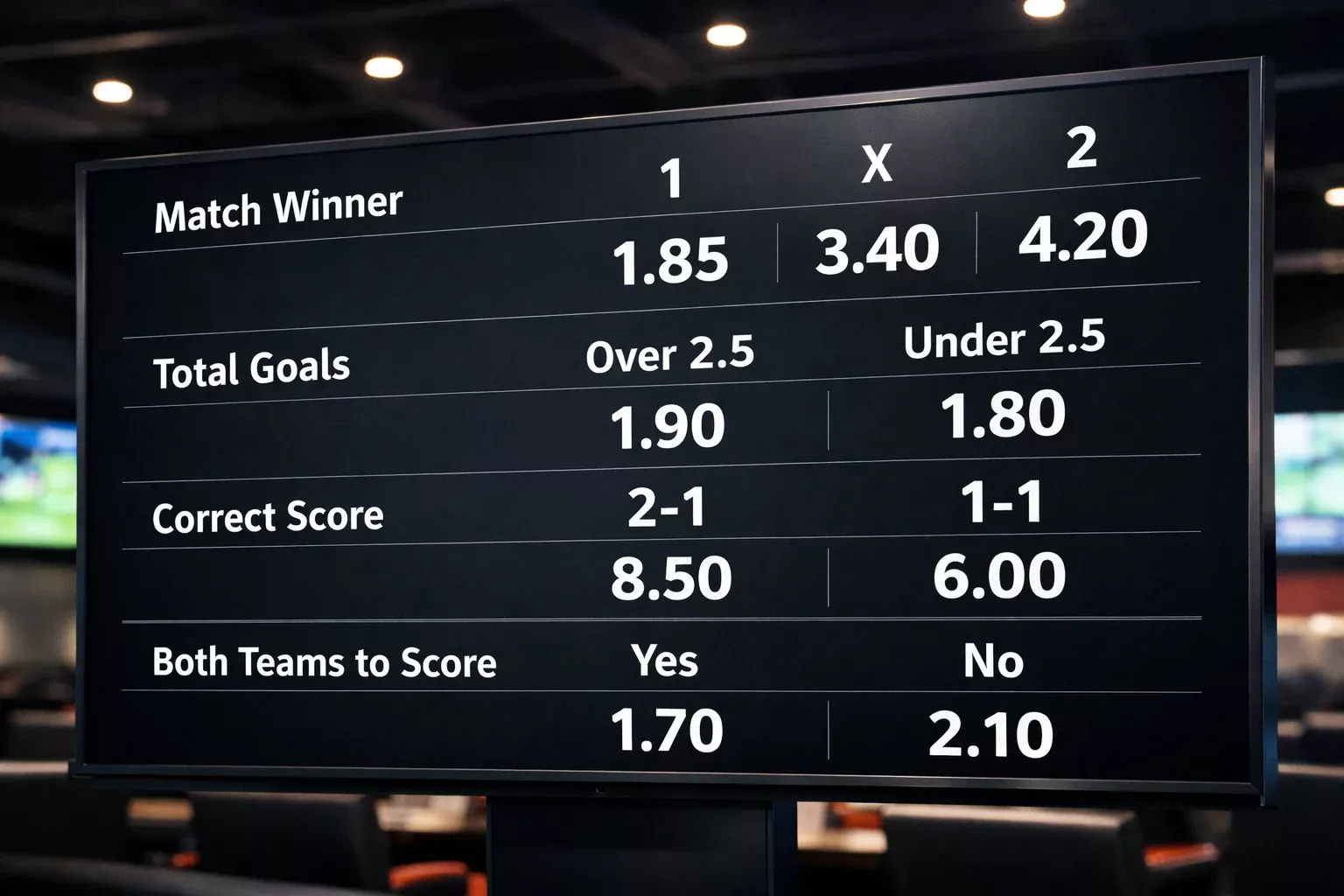
The mathematics behind bet builder odds remains mysterious to most bettors, yet understanding these calculations proves essential for identifying genuine value. When you combine selections within a single match, bookmakers don't simply multiply odds together — they apply complex correlation adjustments that significantly affect final prices. Grasping how this process works helps distinguish attractive combinations from mathematically poor ones.
The naive assumption that combined odds equal individual odds multiplied together rarely holds true. If Manchester City to win sits at 1.50 and Erling Haaland anytime scorer at 1.80, pure multiplication would produce 2.70. Yet bookmakers might offer only 2.20 for this combination because the outcomes correlate positively — if Haaland scores, City almost certainly don't lose. Understanding this correlation adjustment mechanism reveals why some combinations offer value while others don't.
The Basic Multiplication Principle
Before addressing correlation, understanding simple odds multiplication provides the foundation. When combining genuinely independent events, multiplying decimal odds produces accurate combined probability. If one selection has 50% probability (2.00 odds) and another independent selection has 50% probability (2.00 odds), combining them produces 25% probability (4.00 odds).
This multiplication works perfectly for cross-match accumulators where outcomes truly don't affect each other. Arsenal winning at 1.60 and Liverpool winning at 1.70 can be fairly multiplied to 2.72 because Arsenal's result has no bearing on Liverpool's match. Same game multis differ fundamentally because selections often influence each other.
Converting between probability and odds helps assess whether combinations make sense. Decimal odds of 3.00 imply 33.3% probability (1 divided by 3.00). Understanding this conversion allows you to estimate whether combined odds reflect realistic combined probability or whether adjustments seem excessive.
Bookmaker margin affects all odds, including bet builders. Before any combination, individual selections already include margin — the house edge that ensures bookmaker profit. When combining multiple selections, these individual margins compound, meaning bet builders inherently contain higher effective margins than single bets.
Correlation and Its Effects
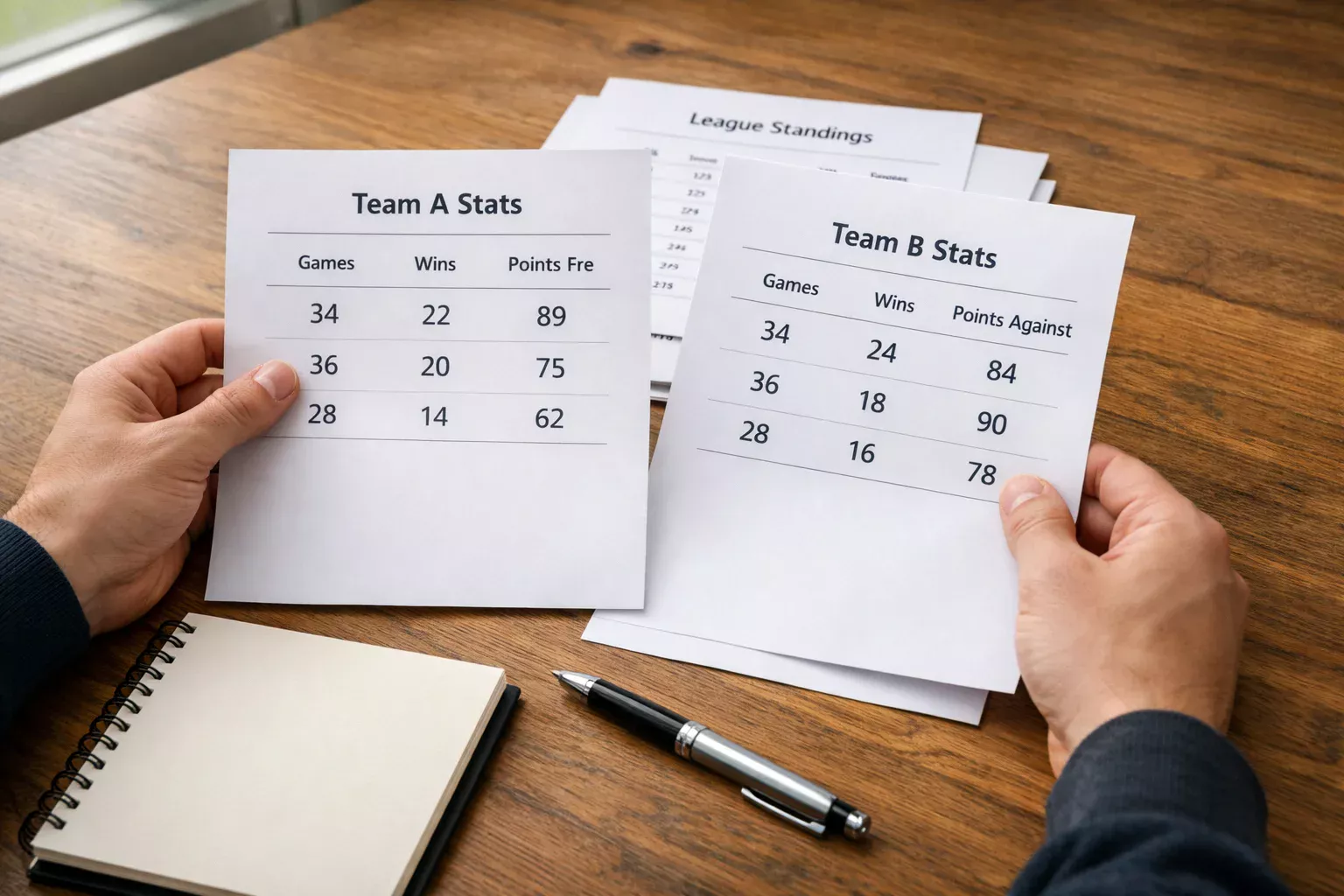
Positive correlation exists when one outcome occurring increases probability of another outcome. A team winning positively correlates with their striker scoring, with corners in their favour, and with total goals overs. Bookmakers reduce combined odds for positively correlated selections because the actual probability of both occurring exceeds what pure multiplication suggests.
Negative correlation exists when one outcome occurring decreases probability of another outcome. Under 1.5 goals negatively correlates with anytime goalscorer selections — if few goals are scored, fewer players can score them. Bookmakers theoretically should increase combined odds for negatively correlated selections, though in practice treatment varies.
Quantifying correlation precisely requires sophisticated statistical analysis that most bettors cannot perform. However, intuitive understanding helps identify extreme cases. Backing a team to win alongside their clean sheet selection shows obvious positive correlation that warrants significant odds reduction. Backing unrelated player props from opposing teams shows minimal correlation requiring little adjustment.
Different bookmakers apply correlation adjustments differently, creating variation in offered odds for identical combinations. Some platforms use aggressive correlation models that heavily reduce positively correlated combinations; others apply more modest adjustments. This variation means shopping for best odds on bet builders proves even more important than for single bets.
Once you understand the math, you can look for high odds bet builder tips.
How Bookmakers Calculate Combined Odds
While specific algorithms remain proprietary, the general approach involves calculating joint probability for all selected outcomes rather than simply multiplying marginal probabilities. Joint probability accounts for how outcomes depend on each other, producing lower probabilities (higher odds) for negatively correlated selections and higher probabilities (lower odds) for positively correlated ones.
Historical data informs correlation estimates. Bookmakers analyse thousands of matches to understand how often different market combinations both succeed. If Team Win and Over 2.5 Goals historically both occur in 40% of matches where either occurs, that empirical correlation influences pricing.
Machine learning models increasingly drive bet builder pricing at major bookmakers. These models process vast datasets to identify correlation patterns human analysts might miss, theoretically producing more accurate combined probability estimates. However, model limitations and data constraints mean opportunities for value still exist.
Real-time adjustment occurs as bet builder selections accumulate betting volume. If many customers back similar combinations, bookmakers reduce odds to limit liability. Popular combinations often offer worse value than creative alternatives simply because of liability management rather than probability assessment.
Identifying Value in Combined Odds
Estimating correlation strength helps assess whether adjustments seem appropriate. When backing a team to win and that team's corner count over threshold, correlation exists but isn't overwhelming — teams can win low-corner matches or lose high-corner matches. If odds reduction seems extreme for moderate correlation, value may exist.
Comparing offered combinations to theoretical calculations reveals adjustment magnitude. Calculate what pure multiplication would produce, then compare to offered odds. The difference represents the correlation adjustment applied. For genuinely low-correlation combinations, small adjustments suggest fair pricing; large adjustments suggest aggressive margins.
Building combinations with minimal correlation exploits situations where bookmakers still apply standard adjustments. Combining a goalscorer from one team with a booking for an opposing player involves minimal correlation — one player scoring doesn't much affect another player receiving cards. These diversified combinations sometimes receive less odds reduction than concentrated ones.
Tracking which combination types historically outperform helps identify where bookmaker pricing contains systematic errors. If your corners-plus-goals combinations consistently beat expectation while result-plus-goalscorer combinations consistently underperform, correlation adjustments likely differ from actual relationships in ways you can exploit.
Practical Odds Assessment Strategies
Before placing any bet builder, calculate the pure multiplication result. If three selections at 2.00, 1.80, and 2.20 combine through pure multiplication to 7.92 but offered odds show 5.00, the 37% reduction represents correlation adjustment plus enhanced margin. Deciding whether this reduction seems fair requires assessing actual correlation between your specific selections.
Compare identical combinations across multiple bookmakers. If one offers 5.00 and another offers 6.00 for the same three-leg combination, the difference reveals either different correlation models or different margin policies. Taking the higher price improves expected returns regardless of which bookmaker's probability assessment proves more accurate.
Consider building similar combinations through alternative market selections. Instead of Team Win at 1.80 combined with Over 2.5 Goals at 1.90, try Team Win combined with specific goalscorer at longer odds. Different paths to similar thematic bets produce different correlation adjustments, sometimes revealing value in alternative constructions.
Avoid combinations where correlation clearly justifies heavy reduction but you're receiving minimal odds boost. Team Win combined with Team Clean Sheet faces obvious positive correlation — clean sheets make wins more likely. If the combination barely exceeds Team Win alone, the correlation adjustment has eliminated any advantage from the second leg.
The Role of Margin in Combined Odds
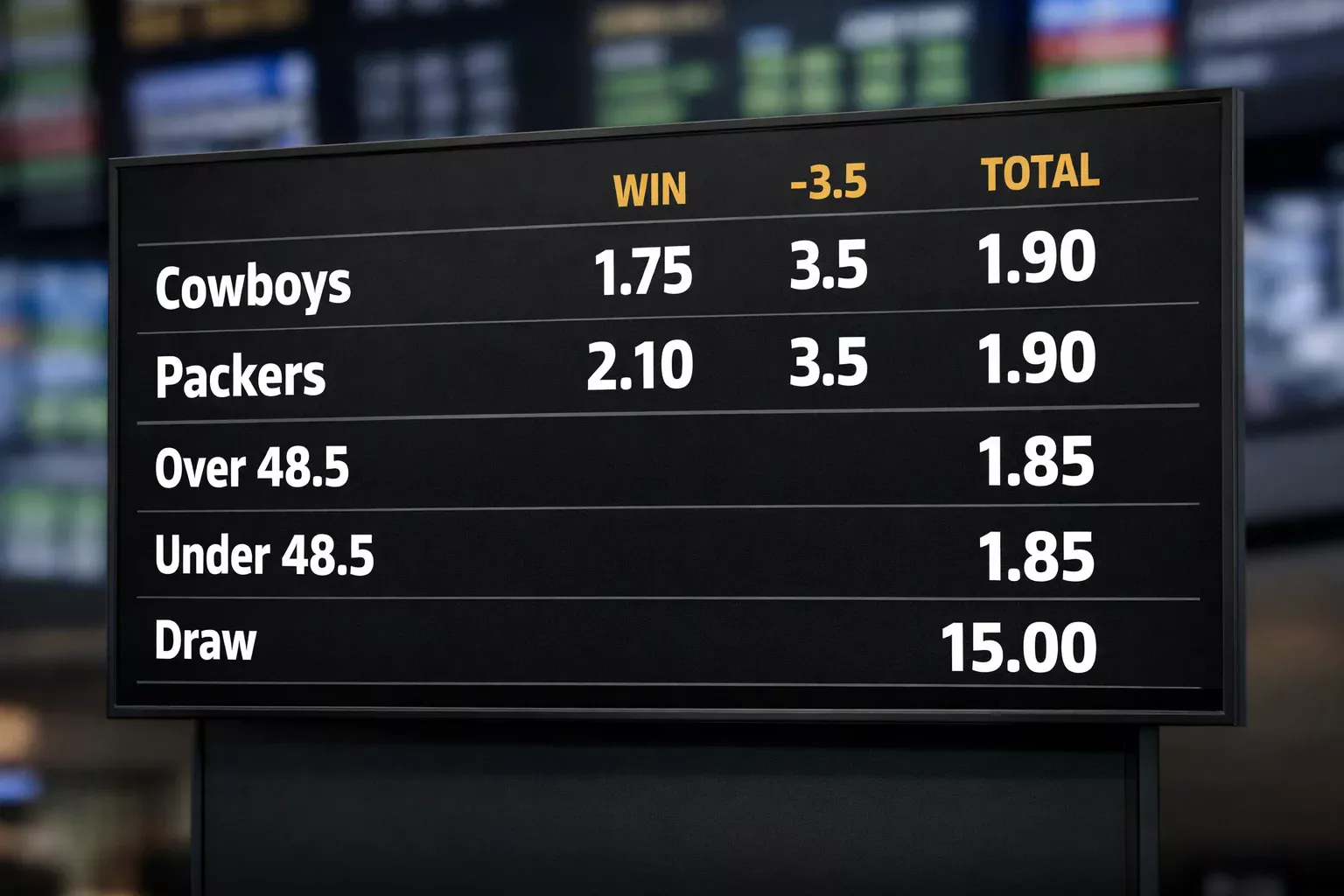
Individual market margins typically range from 2-5% for competitive matches at major bookmakers. When combining three selections each carrying 3% margin, the effective margin on the combination approaches 9% before any correlation adjustment. This margin stacking makes bet builders inherently less valuable than equivalent single bets on a per-unit basis.
Promotional offers sometimes mitigate margin concerns. Bet builder-specific promotions offering odds boosts, insurance, or free bets can offset built-in margin disadvantages. Evaluating whether promotional value exceeds margin cost determines whether promotional bet builders offer genuine opportunity.
Low-margin bookmakers on individual markets don't necessarily offer better bet builder pricing. Correlation adjustment approaches vary independently of single-market margin policy. A bookmaker with tight singles margins might apply aggressive correlation models, while a higher-margin bookmaker might offer competitive bet builder prices through gentler adjustments.
Understanding that margins exist helps maintain realistic expectations. Bet builders aren't designed to favour bettors — they're products generating bookmaker profit. Finding value requires identifying specific combinations where pricing errors exceed margin costs, not assuming bet builders inherently offer opportunity.
Making Informed Combination Decisions
Apply the "would I bet this as singles" test to each leg. If individual selections offer poor value as singles, combining them doesn't magically create value — it compounds poor decisions. Build bet builders from selections you would genuinely consider backing individually, then assess whether combination pricing adds or destroys value.
Resist the temptation to add legs purely for odds enhancement. Each additional leg, even at apparently short odds, introduces failure probability and margin cost. The odds boost from adding Over 0.5 Goals at 1.10 barely compensates for the risk of scoreless draws and the margin embedded in that selection.
Focus analytical effort on combinations where you have genuine insight. Understanding correlation for specific markets in specific match contexts — not just general theoretical correlation — produces better value identification than formulaic approaches applied without contextual understanding.
Bet builder odds calculation involves complex probability and correlation assessment that bookmakers perform automatically but bettors must understand conceptually. While exact mathematics remain proprietary, grasping the principles helps identify when offered combinations represent value versus when correlation adjustments and margin stacking have eliminated any advantage. This understanding separates informed bet builder users from those simply hoping mathematical ignorance somehow benefits them.
Use our tools on the Coventry-Bet homepage.
