
Head-to-Head Records in Championship Betting: When History Matters
 Available in US
Historical head-to-head records exert strange power over football perception. Commentators reference them constantly, bettors cite them to justify selections, and bookmakers factor them into pricing. Yet the actual predictive value of head-to-head data remains surprisingly contested among analysts. Understanding when historical meetings provide genuine insight — and when they represent misleading noise — helps bettors use this information appropriately.
The Championship's structure creates frequent repeat fixtures. Teams meeting twice in league play, with potential cup encounters adding additional data points, generate reasonable sample sizes between established clubs. However, squad turnover, managerial changes, and tactical evolution mean the teams meeting this season often bear little resemblance to those who met years ago. Navigating this tension between historical patterns and current reality defines effective head-to-head analysis.
When Head-to-Head Records Matter
Genuine psychological advantages sometimes persist across years. Certain clubs seem to consistently struggle against specific opponents regardless of relative league position or form. These psychological patterns, whether rooted in past traumatic defeats, stadium atmospheres, or supporter expectations, can affect performance in ways pure quality assessment misses.
Tactical matchups occasionally favour one side consistently. When Team A's playing style historically troubles Team B's approach — perhaps because A's pressing disrupts B's build-up play, or A's direct style bypasses B's pressing — the advantage may persist as long as tactical philosophies remain unchanged. These structural advantages have more predictive value than psychological factors.
Stadium effects create venue-specific patterns. Some grounds generate atmospheres that intimidate visitors more than others; some away trips create logistical challenges that accumulate into performance effects. A team historically struggling at a particular venue may face the same environmental difficulties regardless of current form.
Derby matches and rivalries carry emotional weight that affects preparation and performance. Players, managers, and supporters approach these fixtures differently than standard league matches. Historical patterns in rivalries may persist because the emotional dynamics remain constant even as personnel change.
When Head-to-Head Records Mislead
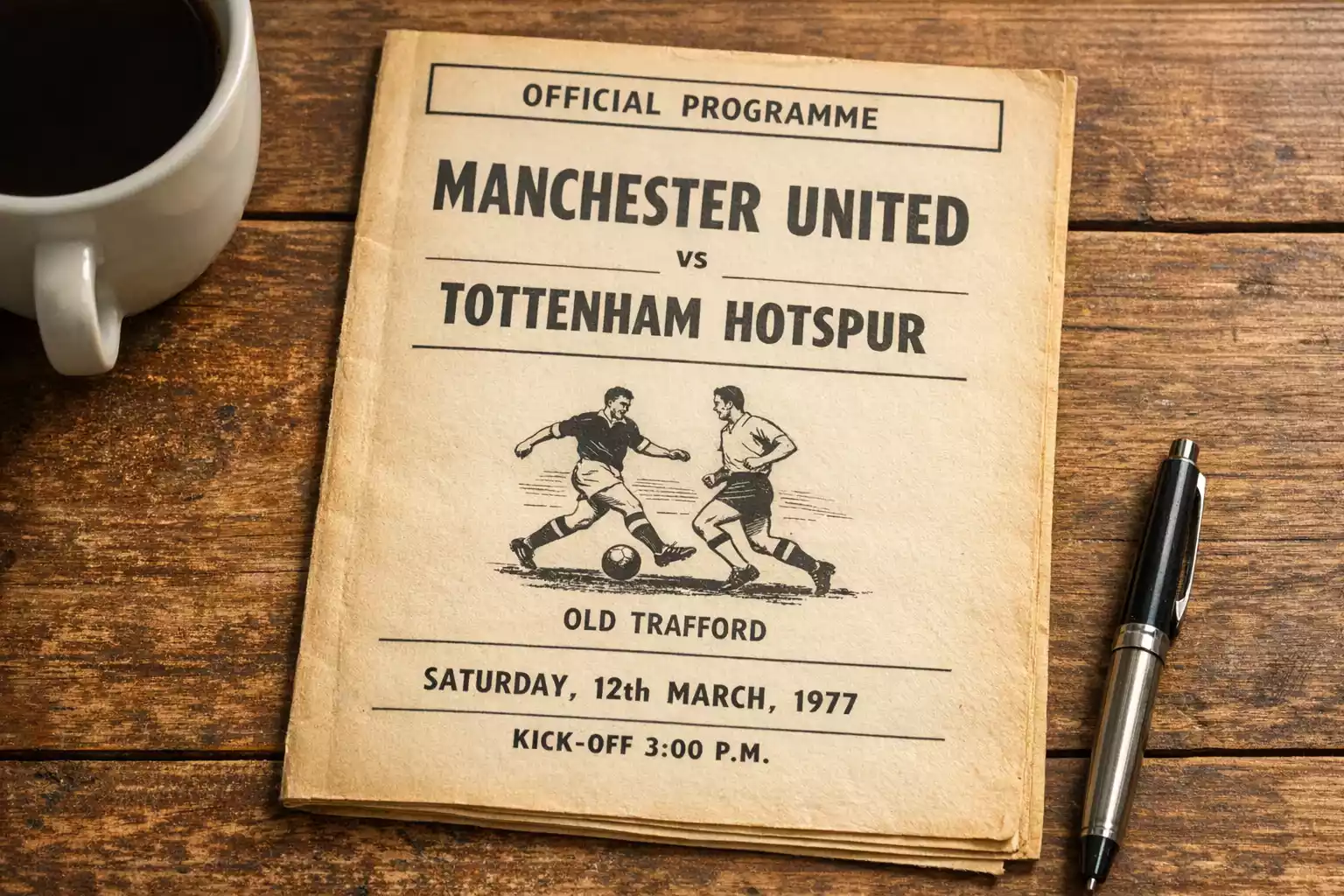
Sample size limitations affect most head-to-head analyses. Teams meeting twice annually accumulate just ten meetings across five seasons — insufficient data for confident conclusions. Treating these small samples as predictive rather than descriptive leads to false confidence in patterns that may be entirely random.
Personnel turnover invalidates historical comparisons. A head-to-head record from three years ago involves different players, often different managers, and potentially different tactical approaches. The teams sharing names with historical participants may share little else relevant to predicting upcoming meetings.
Context-specific results don't generalise. A team winning previous meetings when both sides were mid-table may perform differently now that one is fighting relegation while the other chases promotion. The competitive context of historical fixtures matters enormously for interpretation.
Regression from extreme historical patterns should be expected. A team losing eight of ten previous meetings against an opponent is unlikely to continue losing at 80% rate forever, assuming underlying quality doesn't justify such dominance. Extreme head-to-head records often represent variance that eventually corrects.
Analysing Head-to-Head Data Effectively
Recent meetings carry more weight than distant history. A fixture pattern from the last two seasons involves more relevant personnel than patterns from five years ago. When trends diverge between recent and distant history, recent data typically proves more predictive.
Home and away splits within head-to-head records reveal venue-specific patterns. A team might dominate opponents at home while struggling against them away, producing balanced overall records that mask predictive venue information.
Goal patterns across meetings suggest market opportunities. Fixtures that historically produce high-scoring encounters or frequently end goalless may continue these patterns if the stylistic matchup creating them persists. Tracking historical goals provides information for overs, unders, and BTTS betting.
Score distributions inform correct score and handicap approaches. If previous meetings cluster around 2-1 and 1-1 scorelines, these outcomes may deserve more weight in predictions than scorelines that never occurred historically. Pattern persistence isn't guaranteed but provides reasonable baseline expectations.
Integrating Head-to-Head with Current Form
Head-to-head advantages can override current form when psychological factors dominate. A confident, in-form team may still struggle against opponents who've historically troubled them. Conversely, struggling teams sometimes find renewed belief against opponents they've previously dominated.
Current form typically matters more than distant history. When forced to choose between backing a team's recent form trajectory or their historical head-to-head struggles, form usually proves more predictive. Historical patterns require extraordinary evidence to override current reality.
Contradictory signals require careful weighting. When a team shows strong current form but poor head-to-head record against upcoming opponents, determining which factor deserves more weight depends on how recent and relevant the historical pattern appears. Thoughtful judgment rather than formulaic application produces better decisions.
Using head-to-head as tiebreaker between otherwise similar teams makes sense. When analysis suggests essentially equal chances, historical patterns can reasonably tip assessment one direction. This limited application avoids overweighting historical data while still incorporating potentially relevant information.
Practical Head-to-Head Assessment
Establish how many meetings drive observed patterns. A "dominant" head-to-head record based on three meetings means little; one based on fifteen meetings across multiple seasons suggests something genuine may underlie the pattern.
Determine whether patterns persist in recent meetings or come from distant history. Weight analysis heavily toward meetings involving current personnel and tactical approaches rather than those from previous eras.
Consider what might cause observed patterns. If you can identify tactical or psychological explanations, the pattern seems more likely to persist. If patterns appear random with no logical explanation, regression toward average outcomes should be expected.
Check whether market pricing already incorporates historical patterns. If head-to-head history is widely known and discussed, bookmakers and other bettors have likely already adjusted prices accordingly. Value exists only when your assessment of historical relevance differs from market consensus.
Championship-Specific Considerations

The Championship's promotion and relegation creates flux that limits head-to-head relevance. Teams may not meet for years after one is promoted and another relegated, making previously accumulated head-to-head data outdated when meetings resume.
Managerial stability varies dramatically across Championship clubs. Teams with long-serving managers may show more consistent patterns against specific opponents than those with frequent changes. Checking managerial tenure helps assess whether historical patterns involve meaningfully similar setups.
Local derbies generate reliable emotional intensity regardless of personnel. The Midlands, Yorkshire, and other regional clusters create rivalries where atmosphere and pressure persist across generations. These fixtures deserve head-to-head attention even when personnel has changed completely.
Promoted teams meeting established Championship sides lack historical precedent. When newly promoted clubs face opponents they haven't met recently, head-to-head analysis becomes irrelevant by definition. These fixtures require analysis based on current form and quality rather than historical patterns.
Using Head-to-Head Appropriately
Treat head-to-head as one input among many rather than decisive factor. Historical patterns provide context and can confirm or question other analysis, but they rarely justify betting decisions on their own.
Be skeptical of dramatic historical imbalances. An 80% win rate across fifteen meetings suggests something genuine; across five meetings, it's probably noise. Adjusting confidence based on sample size prevents overweighting random variance.
Recognise when head-to-head records conflict with current reality. Teams change too rapidly for distant history to remain relevant in most cases. When analysis suggests current form and quality contradict historical patterns, trust current reality.
Head-to-head records in Championship betting provide useful contextual information for bettors who interpret them appropriately. When personnel persist, tactical matchups remain unchanged, and sample sizes support conclusions, historical patterns offer genuine predictive value. When circumstances have changed dramatically and samples remain small, they represent noise best ignored. Distinguishing these situations defines effective head-to-head application.
