
Championship Fixture Congestion: How the December Crush Creates Betting Value
 Available in US
The Championship's December-January fixture pile-up produces some of the season's most exploitable betting opportunities. While Premier League clubs receive a winter break and European sides manage loads carefully, Championship teams face the most punishing schedule in English football. Understanding how fixture congestion affects performance, and crucially how betting markets often fail to price these effects accurately, creates genuine value for bettors paying attention.
FIFPRO research confirms what anyone watching fatigued players already knows: matches played with fewer than four days between games increase injury risk by 28 percent. When teams play twice within seventy-two hours, soft tissue injury rates jump 44 percent. These aren't abstract statistics — they translate directly into missed chances, defensive errors, and results that surprise casual observers but follow predictable patterns for those tracking fatigue effects.
The Physiological Reality of Congested Fixtures
Professional footballers require 72-96 hours for full muscular recovery after competitive matches. Championship scheduling regularly violates this threshold, particularly during the festive period when games occur every three days for several consecutive weeks. The accumulated fatigue compounds rather than resets, meaning each successive match in a congested run sees diminished performance capacity.
Sprint speed declines measurably as fatigue accumulates. High-intensity running — the explosive movements that create and prevent goals — suffers most significantly. Data from elite clubs shows that after fifteen days of twice-weekly fixtures, players cover less ground at high speed regardless of tactical intent. The legs simply cannot deliver what the mind demands.
Decision-making deteriorates alongside physical capacity. Tired brains process information more slowly, leading to delayed passes, misjudged tackles, and positioning errors that fresh players avoid. This cognitive fatigue explains why experienced observers note that congested periods produce "sloppy" football with uncharacteristic mistakes from normally reliable performers.
Injuries cluster rather than distributing evenly. Teams often enter December healthy only to lose multiple players within fourteen-day spans as accumulated load reaches breaking points. Betting markets that price each match independently miss how fatigue compounds across fixtures, creating systematic mispricing opportunities.
How Markets Misprice Fatigue Effects

Bookmakers rely heavily on season-long performance data and recent results to set lines. While these factors matter, they fail to capture fatigue-specific performance declines during congested periods. A team's true ability in December may differ substantially from their ability in September when recovery time was adequate.
The standard approach of adjusting odds based on days since last match captures only surface-level rest effects. It misses how teams in their third consecutive week of twice-weekly fixtures have accumulated fatigue that a single extra rest day cannot offset. This deeper exhaustion takes weeks to fully resolve but affects every match during the congested period.
Squad depth receives inconsistent market treatment. Teams making five or more changes from previous lineups typically see performance drops around 18 percent, yet odds adjustments often account for only 8-10 percent of this effect. The gap between actual impact and priced impact creates value for those betting against heavily-rotated sides.
Historical congestion patterns provide baseline expectations that current-season markets often ignore. Teams with thin squads historically fade during December-January fixtures, yet each season bookmakers seem surprised when the same patterns recur. This persistent underweighting of known effects offers systematic exploitation opportunities.
The busiest period is often December, so check our Boxing Day Championship betting patterns.
Practical Betting Strategies for Congested Periods
Backing teams with significant rest advantages proves profitable during fixture crunches. When one side has seven-plus days between matches while opponents played three days ago, the rested team wins at rates exceeding what odds typically imply. Studies suggest 62 percent win rates in these scenarios, substantially above market expectations.
Under 2.5 goals deserves attention during peak congestion. Historical data shows matches involving teams in their third week of consecutive twice-weekly fixtures finish under 2.5 goals at 68 percent rates compared to 52 percent season averages. Yet markets often offer odds implying only 55-58 percent probability, creating meaningful value.
Late goals disappear during heavy fixture density. Matches in congested periods see 35 percent fewer goals after minute 75 as exhaustion limits the explosive efforts required to create late chances. Backing "no goal after 75 minutes" or similar timing markets can offer value that straight goals betting misses.
Fresh substitutes become disproportionately dangerous against tired oppositions. Teams introducing attacking reinforcements around the 60-minute mark gain significant advantages when opponents' legs have gone. Backing substitutes for goalscorer markets or targeting teams known for impactful bench contributions provides angles during congested fixtures.
Identifying Which Teams Will Struggle
Squad size provides the most reliable predictor of congestion resilience. Clubs regularly using fewer than fourteen players in starting lineups face substantially higher point-drop risks during intense scheduling periods. Thin squads simply cannot rotate adequately to manage accumulated fatigue.
Previous congestion performance offers guidance for current predictions. Some managers handle fixture crunches well through effective rotation and load management; others stubbornly rely on first-choice players until injuries force changes. Tracking how teams historically perform during December-January reveals tendencies that inform current betting.
European competition adds another load layer for Premier League clubs but not Championship sides. However, FA Cup runs can create similar effects for second-tier teams drawn into additional fixtures. When Championship clubs progress in domestic cups, their league form often suffers in surrounding matches.
Travel distances compound fatigue for teams making long away trips during congested periods. Northern clubs visiting southern opponents, or vice versa, face additional recovery challenges that purely statistical models don't capture. Geographic factors may seem minor but accumulate meaningfully across multiple fixtures.
Avoiding the Post-Congestion Trap
When fixture density normalises after January, performance doesn't immediately recover. Players need detraining periods to fully recover from accumulated fatigue, meaning the first match after congestion ends often sees continued sluggish performance. Markets frequently overprice teams on their first "normal" fixture without accounting for lingering exhaustion.
Second matches after congestion normalises show improvement, with third matches typically returning to baseline performance levels. Fading teams in their immediate post-congestion fixture, then backing them once genuine recovery has occurred, captures value on both sides of this transition.
Injury returns during post-congestion periods can mislead. Players returning from layoffs during heavy fixture stretches may not be fully match-fit, and rushing them back risks reinjury. Checking whether returning players have had adequate training time helps assess their likely contribution.
The 2025-26 Season Context
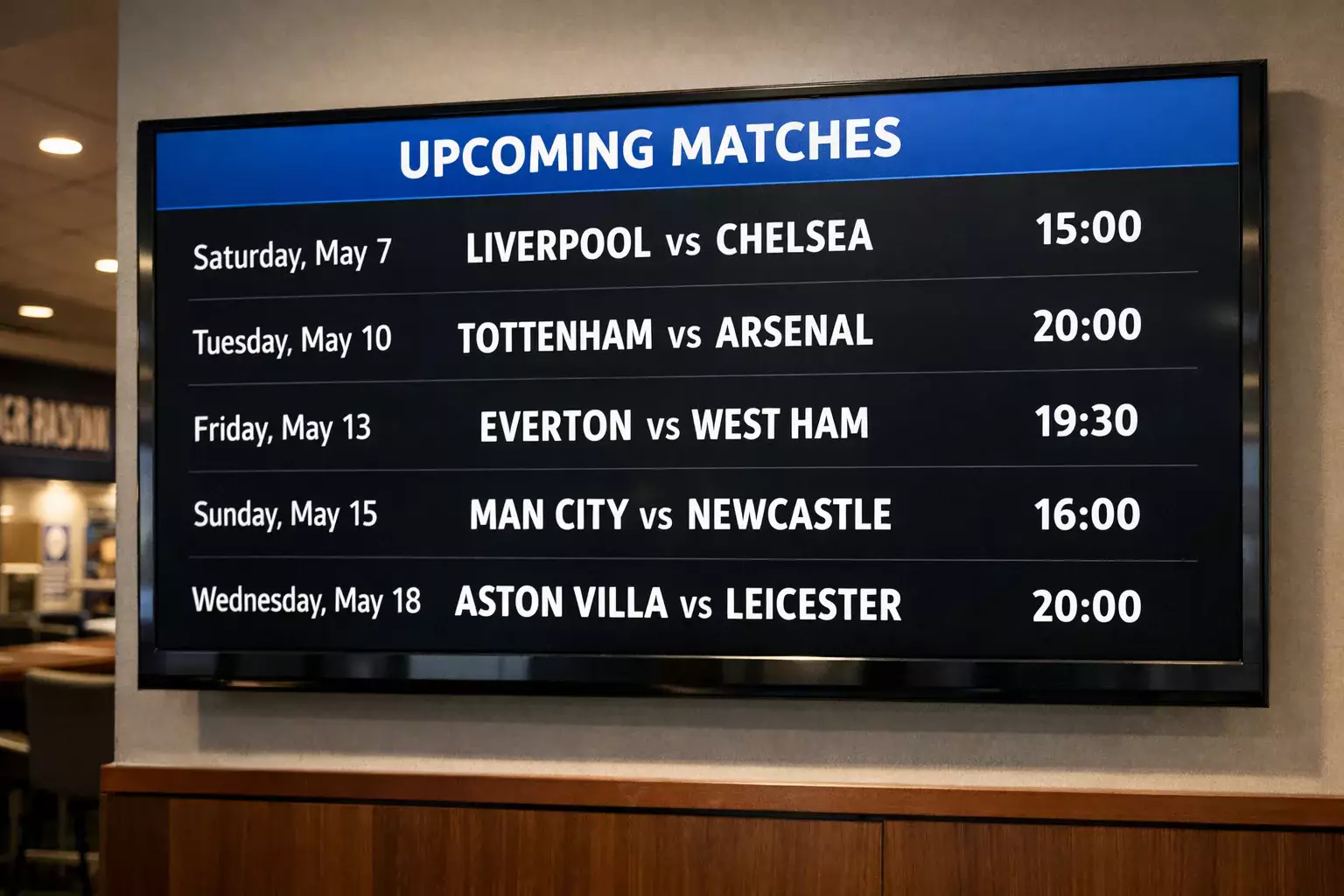
This season's Championship fixture pile-up follows familiar patterns with some unique characteristics. Boxing Day features a full programme of twelve Championship matches, providing ample opportunity for congestion-based betting strategies. The compressed period between Christmas and early January will test every squad's depth and every manager's rotation philosophy.
Championship clubs without European or extensive cup commitments should theoretically manage loads better than Premier League sides facing multiple competitions. However, the density of league fixtures alone creates sufficient fatigue that even domestic-only schedules produce measurable performance effects.
Tracking which teams enter December with healthy squads versus those already managing injuries provides crucial information. Clubs missing key players before congestion begins face compounding challenges as the period progresses. Early-December injury news shapes betting approaches for the entire festive window.
The teams positioned well entering Christmas often differ from those who finish the period strongest. Some clubs front-load quality fixtures while managing easier matches with rotated sides; others push through the entire period with first-choice players before collapsing in January. Understanding these approaches helps predict which sides will emerge from congestion with momentum versus those who merely survived.
Championship fixture congestion creates consistent betting value for those willing to analyse beyond surface-level form assessments. The market's persistent underweighting of fatigue effects, combined with predictable patterns in how exhaustion manifests, offers genuine edge for patient, analytical bettors throughout English football's most demanding scheduling period.
Stay updated with Coventry-Bet.com.
