
Boxing Day Championship Betting: Patterns and Opportunities in Football’s Festive Fixture
 Available in US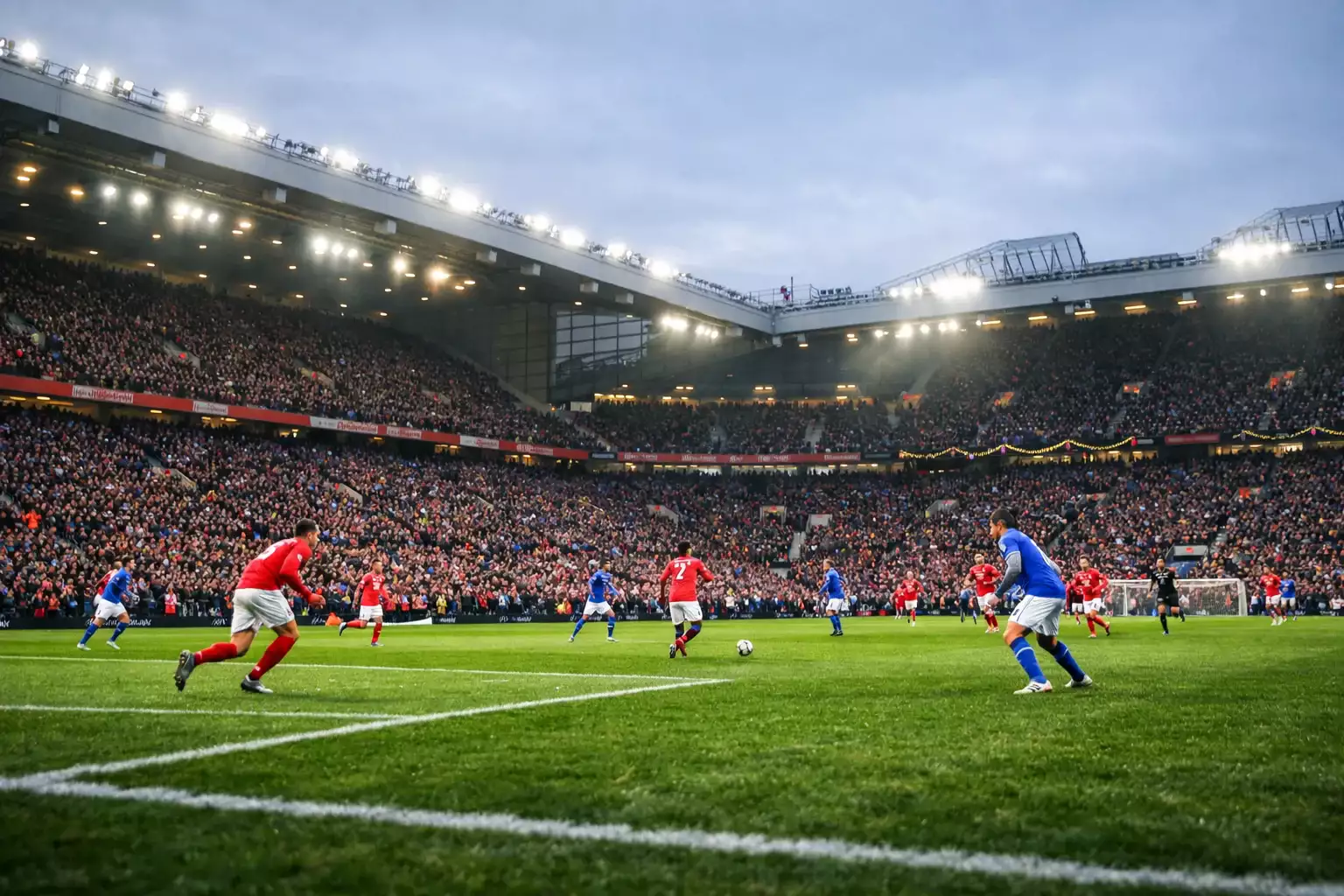
Boxing Day football represents a tradition that defines English football's character. While European leagues break for winter holidays, the Championship serves up a full programme of twelve matches on December 26th, creating one of the season's most distinctive betting slates. The unique circumstances surrounding these fixtures — festive fatigue, emotional intensity, and compressed scheduling — generate patterns that informed bettors can exploit.
Historical analysis reveals that Boxing Day football produces more goals, more upsets, and more dramatic outcomes than typical matchdays. The combination of tired legs, holiday distractions, and packed stadiums creates an atmosphere where normal expectations frequently fail. Understanding what makes this day different helps identify where bookmaker pricing doesn't fully account for Boxing Day's peculiarities.
The Statistical Profile of Boxing Day Matches
Goals flow more freely on December 26th than during average matchdays. Recent seasons have seen Boxing Day fixtures average approximately 3.6 goals per match, substantially above the Championship's seasonal average of around 2.7. Over 2.5 goals has hit in roughly 80 percent of Boxing Day encounters, making overs betting particularly attractive.
Home advantage diminishes significantly on Boxing Day. Historical data shows away teams winning approximately 60 percent of festive fixtures, inverting the normal home-field edge. This counterintuitive pattern may reflect travel disruptions affecting home supporters, psychological factors around spending Christmas away from family, or simply the chaos that characterises this unusual matchday.
Both Teams to Score occurs more frequently on Boxing Day as defensive organisation breaks down. The combination of attacking intent — teams want to entertain holiday crowds — and defensive fatigue from compressed scheduling produces open, chaotic matches. BTTS markets often provide value when priced at standard rates for fixtures that historically produce goals at both ends.
Correct scores cluster around specific outcomes. The 2-1 and 2-0 scorelines dominate Boxing Day results, reflecting matches that feature enough goals for entertainment while remaining close enough to maintain drama. These concentrated outcome patterns can inform correct score betting for those willing to take longer odds.
Team-Specific Boxing Day Patterns

Some clubs possess remarkable Boxing Day records that persist across seasons. When facing teams with historical Boxing Day struggles — those losing majority of festive fixtures across multiple years — backing their opponents offers value that pure form analysis might miss. Historical patterns suggest psychological or organisational factors that repeat annually.
Teams in strong home form often underperform on Boxing Day while away specialists find unexpected comfort in the festive atmosphere. This reversal of normal venue effects may reflect how home crowds with holiday hangovers provide less intimidating atmospheres, or how away followings on Boxing Day create unusually positive support.
Clubs with thin squads historically fade around the festive period as fixture congestion bites. Boxing Day often exposes these limitations most dramatically because it follows the Christmas Day break that should theoretically provide recovery time but actually allows accumulated fatigue to manifest.
Managerial Boxing Day records provide useful historical context. Some managers consistently produce positive festive results regardless of which club they're managing, suggesting systematic approaches to holiday preparation that override team-specific factors. Tracking these patterns across managerial careers adds information beyond single-club histories.
To predict these games, you need robust form analysis for Championship betting.
Market Dynamics on Boxing Day
Betting volumes spike dramatically on December 26th as holiday gatherers combine football watching with punting. This recreational influx pushes odds in predictable directions, often overvaluing popular teams and creating value on less fashionable selections. The market becomes less efficient precisely because betting volume increases with less sophisticated composition.
Accumulators attract particular attention on Boxing Day, with bettors building festive flutter tickets across multiple matches. This accumulator activity distorts individual match pricing because bookmakers shade odds to limit exposure on popular combinations. Understanding which selections appear frequently in recreational accumulators helps identify where odds may be artificially depressed.
Line movements on Boxing Day follow different patterns than normal matchdays. Sharp money typically moves lines hours before kickoff, but on December 26th, recreational volume close to kickoff can override earlier moves. Timing bets to capture value before recreational floods arrive proves crucial.
Bookmaker margins often widen on Boxing Day as operators anticipate serving less price-sensitive recreational customers. Shopping across multiple bookmakers becomes even more important than usual because variation in offered odds increases substantially compared to typical Championship fixtures.
Practical Betting Strategies
Backing overs in matches featuring teams with strong attacking records and defensive vulnerabilities offers the most straightforward Boxing Day strategy. The historical tendency toward high-scoring matches combines with specific team profiles to create enhanced probability that markets often underestimate.
Away teams at short prices deserve serious consideration given the historical inversion of home advantage. When markets price home favourites below 2.00, the away selection or draw often provides value that would be absent on normal matchdays. The Boxing Day-specific pattern warrants adjusting how you assess each fixture.
First-half goal markets suit the typically fast starts that characterise Boxing Day football. Teams often begin aggressively, seeking early goals before fatigue sets in during second halves. First-half overs or first goalscorer bets targeting early goals capture this tendency.
Avoiding favourites in accumulators protects against the compressed odds that recreational betting creates. If building Boxing Day multiples, including at least one selection that casual bettors would avoid improves overall odds value. Contrarian thinking proves particularly valuable when markets are driven by unsophisticated volume.
In-Play Considerations
Boxing Day matches often see momentum swings that in-play betting can exploit. The combination of fatigue and emotional intensity creates volatile match states where teams dominate periods before suddenly surrendering control. Backing teams to score next after conceding frequently finds value as the chaotic nature produces quick turnarounds.
Late goals feature prominently in Boxing Day football, somewhat contradicting the congestion pattern that suppresses late scoring in other festive fixtures. The explanation may lie in tactical approaches — teams pushing for results in matches with playoff or relegation implications accept defensive risks in final periods.
Red cards and penalties occur at elevated rates on Boxing Day. Tired players make rash challenges, while referees managing charged atmospheres may interpret incidents more harshly than usual. Card markets and penalty-related props warrant attention from those comfortable with these speciality bets.
In-play goalscorer markets offer opportunities when known substitutes enter matches. Managers typically make changes earlier on Boxing Day than in normal fixtures, and fresh legs against tired defences create disproportionate goalscoring opportunities for introduced attackers.
2025-26 Boxing Day Context

This season's Boxing Day slate features all twenty-four Championship teams in action across twelve fixtures. The matches provide crucial points during the congested festive period while offering bettors the most concentrated Championship betting slate of the campaign.
League positions entering Boxing Day shape betting narratives. Leaders defending advantages, playoff contenders seeking to close gaps, and relegation-threatened sides needing points all face psychological pressures that manifest differently across the matchday. Understanding each team's situational stakes helps predict match intensity and approach.
Injury news released on Christmas Day and Boxing Day morning provides crucial late information. Teams managing tired squads often make late decisions about player availability, and being alert to team news close to kickoff offers advantages over those betting days in advance.
Weather conditions across England vary substantially on Boxing Day, and conditions affect match character. Checking forecasts for individual venues helps assess whether technical quality or physical directness will prove decisive in specific fixtures.
Sustainable Boxing Day Betting
One betting day cannot make or break a season, and treating Boxing Day as entertainment rather than critical income source promotes healthy engagement. The day's unique characteristics create genuine opportunities, but variance remains high in any single matchday regardless of how favorable patterns appear.
Building a dedicated Boxing Day bankroll separate from regular betting capital provides structure. Deciding in advance how much to stake across the full slate prevents chasing losses or overcommitting to positions that seemed valuable pre-match.
Recording Boxing Day results separately allows tracking whether the day's specific patterns prove profitable for your approach. Some bettors find festive football suits their analytical style while others struggle with the increased chaos. Understanding your personal track record on Boxing Day informs future approaches.
Boxing Day Championship football offers distinctive betting opportunities for those who understand what makes the day unique. The patterns are real, the inefficiencies persist, and the betting markets remain less efficient than usual due to recreational volume. Those prepared to think differently about December 26th find value that casual punters consistently miss in English football's most traditional festive fixture.
Find holiday specials at Coventry-Bet.com.
